
Thursday, 5 March 2026
12:30pm – 1:30pm (AEDT – Sydney time)
2:30pm – 3:30pm (NZDT – New Zealand time)
Webinar: via Zoom
Cost:
- Free for ASID members
- $25 for non-members
About
In this webinar, Julia will talk about her experiences as a researcher with a learning disability working in a busy research institute.
Then Brigit and Julia will talk about two different co-designed research projects that they are involved in.
Ben will also talk about his experiences as a community researcher at Flinders University.
The webinar is for anyone who is interested in learning about being a researcher with a learning disability, or in ways of doing co-designed research.
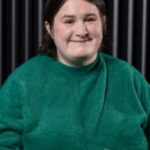
Julia Young – Kairuruku (Research Assistant)
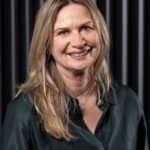
Brigit Mirfin-Veitch – Kaiuruki Matua (Director)
Julia Young is a Kairuruku (Research Assistant) and Brigit Mirfin-Veitch is the Kaiuruki Matua (Director) of the Donald Beasley Institute (DBI). The DBI is based in Aotearoa New Zealand, and does disabled-led and inclusive disability research and projects. Julia and Brigit work together on a number of different research projects.

Ben Jarrett – Community Researcher
Ben Jarrett is a community researcher at Flinders University. He is interested in people with intellectual disability moving out of the family home and the place of sport and recreation in health and well-being. He has diverse experience presenting at conferences, creating user-friendly online resources, facilitating co-design workshops, and undertaking inclusive data analysis. He is an avid sportsperson, playing football, basketball, and being part of the Special Olympics. He is a passionate basketball coach.
Ben is supported by Dr Fiona Rillotta from Disability and Community Inclusion.
Audience
The webinar is for anyone who is interested in learning about being a researcher with a learning disability, or in ways of doing co-designed research.
Accessibility
Some people might need support to get online and to make the technology work.
The webinar will be recorded. Some people might like to watch the webinar again later. This can help with understanding the information.
This session will be very accessible to people with intellectual disabilities. It is co-presented by a person with a learning (intellectual) disability. The way we talk, and our PowerPoint presentation will be accessible.